College Soccer Insights: Carroll College Players Share Recruiting and Life Advice with Sting Families

Thank you to Carroll College athletes Delaney Moczan, Brynn Johnson, and Myah Rietze for taking the time to talk to StingSC and for your insight. We appreciate you.
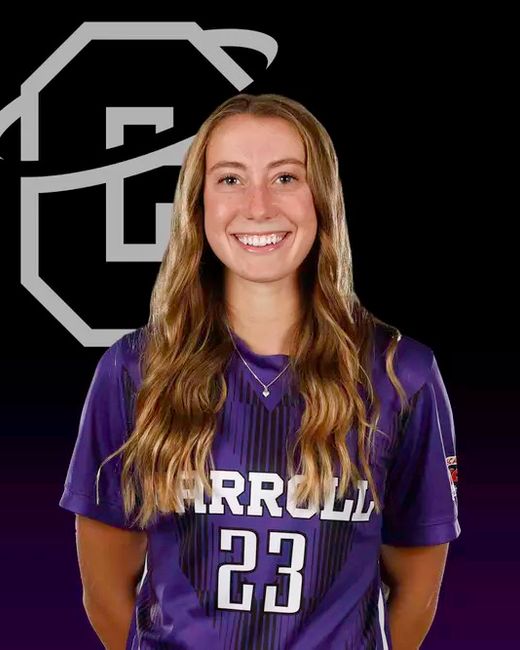
Delaney Moczan 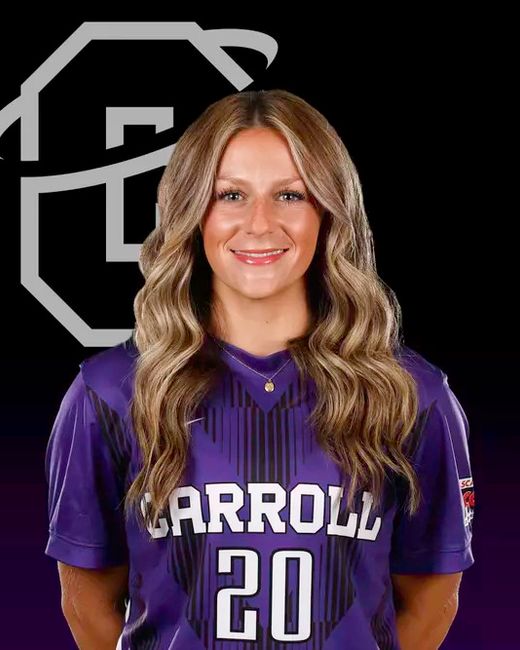
Brynn Johnson 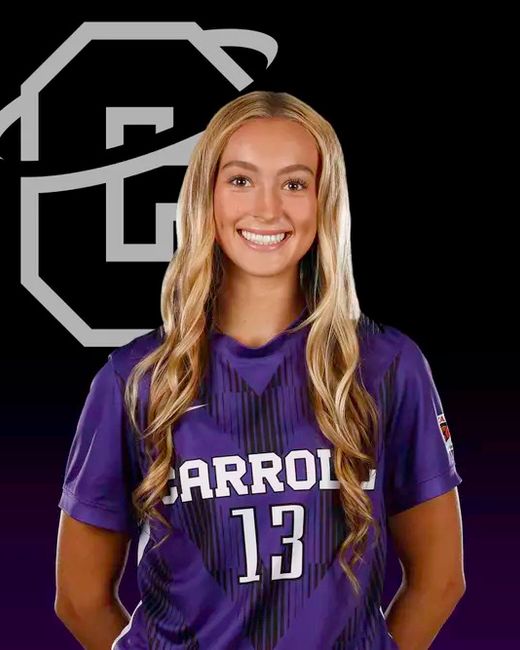
Myah Rietze
Summary
Current college athletes emphasized the importance of choosing the right school for themselves, rather than letting coaches or others make that decision. Players should explore all options, visit campuses, and find a program where they feel truly valued. Go where you are wanted, not just where you want to be wanted.
A major theme was the balance between academics and athletics. Schools like Carroll College offer strong academic support, small class sizes, and professors who work with student-athletes. Time management and accountability are critical, as being a college athlete is a full-year commitment that requires dedication both on the field and in the classroom.
The athletes highlighted the value of team culture and relationships. Teammates often become close friends and provide support academically (study groups, shared classes) and socially. Building connections early, especially during preseason, creates a strong sense of community that lasts throughout the college experience.
They also stressed the importance of mental approach and personal development. Focusing on daily improvement, setting goals, and journaling can help athletes stay motivated. Reflecting on personal goals and remembering why you started playing can help push through challenging moments. Sharing goals with teammates also builds accountability.
Handling conflict and communication is key within a team environment. Addressing issues early, having face-to-face conversations, and involving team leaders like captains help prevent unnecessary drama and strengthen team unity.
From a performance standpoint, nutrition and strength training are essential. Preparing physically before college and maintaining consistent training habits can make a significant difference in earning playing time and succeeding at the next level.
Finally, athletes noted that playing college soccer helps build resilience, discipline, and personal growth, shaping individuals beyond just athletics and creating lifelong relationships.
Full Recap
On April 17, 2026, Carroll College women's soccer players Brynn, Delaney, and Myah (all juniors and seniors) joined Coeur d'Alene Sting club families over Zoom to share insights into recruiting, balancing academics with athletics, team culture, and the transition from high school to college soccer.
The panelists emphasized that successful recruiting requires proactive outreach to coaches, a realistic assessment of desired competition level, and prioritizing overall fit (academics, community, culture) over soccer alone.
Recruiting Process Insights
Key strategies:
- Direct player outreach to coaches is more effective than communicating with parents and demonstrates maturity and commitment.
- Coaches often attend showcases only when invited by specific players, not randomly scouting.
- ID camps are valuable primarily for evaluating campus fit, coaching staff, and team culture, not guaranteed recruitment.
- Social media (Instagram DMs to team accounts) provides direct access to assistant coaches; some players were recruited via highlight reels.
- Campus visits and team practices are often more beneficial than ID camps at the NAIA/D2 level.
Level selection considerations:
- NAIA and D1 offer the most scholarship opportunities; D3 typically offers none.
- NAIA provides a better balance between competitive soccer and demanding academic majors compared to D1.
- Players should "go where you're wanted, not where you want to be wanted" to avoid self-esteem issues.
Timeline pressure:
- Carroll's coach (Dave Thorvilson) emphasized taking time to decide and avoiding coaches who pressure early commitments.
- High transfer rates often result from rushed decisions made under pressure.
Academic-Athletic Balance at Carroll
Accommodations:
- Coaches prioritize academics; players miss practice for class without penalty.
- Professors accommodate travel (4-5 away trips per heavy season, often Wednesday departures).
- Small class sizes (1,400 students) enable strong relationships with professors for research opportunities and recommendation letters.
- 90% of the Carroll women's soccer team studies nursing or medicine; rigorous academics are fully compatible with NAIA soccer.
Study culture:
- The team studies together during travel (bus trips, hotel lobbies); shared academic commitment creates accountability.
- Players often share classes, helping each other manage makeup tests and assignments.
Team Culture and Support
Social integration:
- Players arrive weeks before other students for preseason, forming immediate friend groups.
- An automatic support system contrasts with typical freshman isolation.
- A small campus means frequently seeing teammates throughout the day.
Conflict resolution:
- The team encourages direct, face-to-face conversations, and captains are available for mediation.
- Conflicts are acknowledged as inevitable when spending extensive time together and are addressed promptly to prevent escalation.
- Competitive practice intensity sometimes creates tension; team conversations normalize this as shared commitment rather than personal attacks.
Pre-game rituals:
- Players state individual game goals aloud before home games.
- A dance circle in the locker room reduces anxiety and shifts the mindset from nervous to excited.
- The team sets collective goals and culture standards at the preseason captain's meeting, and all players receive copies for accountability.
Managing Challenges
Playing time reality:
- There is no guaranteed playing time regardless of effort, and it's common not to play the first 1-2 years.
- The club mindset (everyone plays) does not translate to college and is a major adjustment for freshmen.
- Persistence through off-season work eventually pays off (Myah earned a starting spot her junior year after limited freshman play).
Mental approach during adversity:
- Focus on one day at a time; be the best version of yourself today without worrying about tomorrow.
- Write down goals and review them during difficult moments; use cringey quotes as motivation.
- "Owe it to your younger self" to push through hard times and achieve long-held dreams.
- Play for the team, not just yourself. It builds grit and strength applicable beyond soccer.
- "Only as good as your next game or day." Move forward rather than dwelling on mistakes.
Coach's response to mistakes:
- Coaches emphasize how players respond to mistakes, not the mistakes themselves.
- Players are encouraged to focus on performing their best rather than fearing failure.
- There is no immediate benching for errors (except serious infractions like red cards).
Strength Training and Nutrition
Training structure:
- 1-2 team lifts weekly in the off-season (building strength); in-season focus shifts to injury prevention and mobility.
- Athletic trainers and coaches design programs tailored to team needs.
- Pre-college strength training is recommended; players arriving without lifting experience start at a disadvantage competing against older, stronger athletes.
Nutrition importance:
- Performance directly reflects daily nutrition, and players notice the impact of poor eating choices.
- The team is working to add a nutritionist for the fall season.
- Feeding yourself in college without parental support is challenging but critical.
Roster and Recruitment Details
Typical incoming class:
- This varies by team needs: 3-15 freshmen, depending on graduating class size.
- Most players are recruited and offered scholarships; occasional walk-ons (including current students deciding to join).
- Private accounts are required for all players due to past incidents and can become public after leaving the team.
Transition from High School
Key differences:
- The competition level is dramatically higher; everyone was a top high school player.
- It's refreshing to be surrounded by equally committed, skilled teammates after the frustrations of high school.
- Schedule flexibility (2-3 classes daily versus a 7-hour school day) requires self-discipline for homework.
- A small school means professors notice absences and reach out, in contrast to the anonymity of a large high school.
CDA High Schools preparation:
- Coeur d'Alene and Lake City High Schools provide a solid academic foundation. Study habits need adjustment, but freshman year allows for a learning curve.
Looking Ahead
The panel format will continue as an ongoing resource for Sting club athletes. The Carroll players offered availability for individual questions via text, email, or in-person meetings during the summer in Coeur d'Alene.